At the time of writing, I'm developing VOC STUDIO, a B2B SaaS product for collecting, managing, and analyzing voice-of-customer feedback. Having been involved from the idea through charging for it, I feel a strong sense of attachment and ownership.
Perhaps because work felt so familiar, I didn't think it belonged in my blog about trying new things and giving up. But meeting people who enjoyed this reckless story, or found it motivating, changed my mind. This series records my zero-to-one journey at work, written more like a conversation with myself.
- Repeated Failure and Falling Self-Efficacy
- Why We Failed to Understand Our Users
- To be added.
- To be added.
Management through initiative
My company has an unusual culture in Korea, called “management through will.” In a sentence:

A capable person does the work they want to do in service of users, teamwork, and growth.
It begins with a belief:
People accomplish great things when they do work they want to do, rather than work they are told to do.
Put together:
Capable people can accomplish great things when they pursue the work they want to do in service of the core values.
The company therefore encourages people to pursue their own ideas. Of course, they need the capability, and the work must serve those values.
More concretely, anyone can form a team and propose a project. Many projects have appeared and disappeared this way. At the time, four were running simultaneously, all started by somebody inside the company. One service even began as an intern's proposal.
I wanted to explain this because it is unusual here, and because it made my zero-to-one experience possible.
The first attempt: an AI wardrobe
In April 2022, after our Korean-language-model project with KRAFTON ended, I was deciding what to do next. I chose to start something new for two reasons:
1. I wanted to earn money from a service I had helped start.
2. I wanted to build a team that achieved results, helped its members grow, and made other people want to work with us.
The next day, a teammate and I started brainstorming. We'd sit in a meeting room from morning until late at night, asking what about this, what about that. It felt like being back at university. After many ideas, the first serious candidate was an AI wardrobe similar to Acloset.
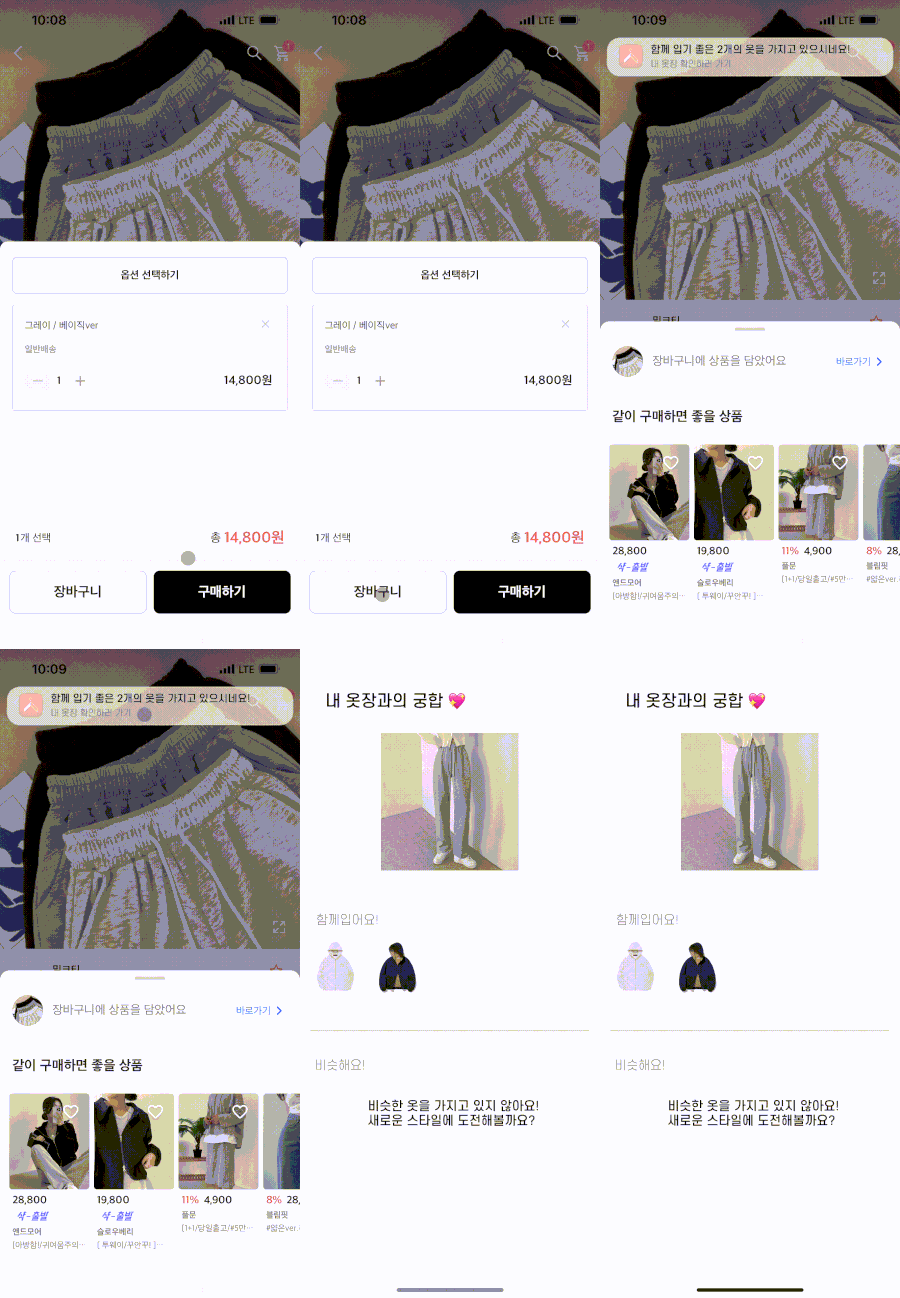
We made this prototype and tested the idea internally. Looking back, it looks rather rough, like a student assignment.
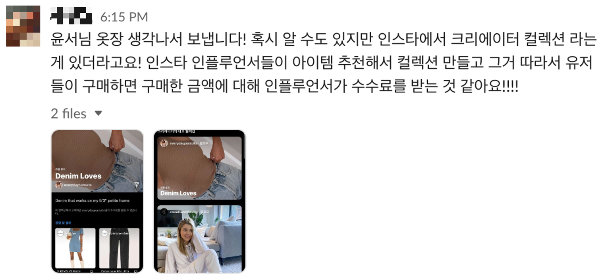
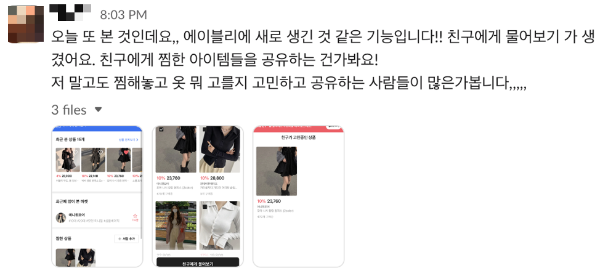
People were generous with their help. They sent ideas and gave interviews to two developers who knew little about clothes or fashion. That support meant a lot.
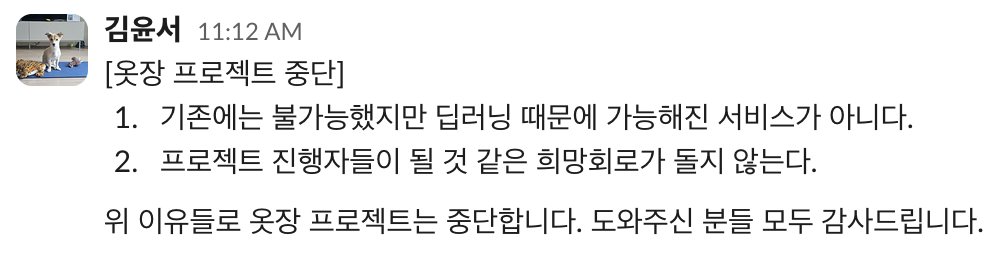
In the end, we stopped quickly because we couldn't feel the project working out. We called that feeling a “hope circuit”: an intuitive sense, with some grounds behind it, that the idea could succeed. Our first attempt ended there.
Would I try the wardrobe again?
No. I don't care much about clothes or fashion, so it's not a problem I'm well placed to solve.
Starting from technology: a multiverse of chatbots

After developing and abandoning more ideas, we decided to use the NLP skills we already had. Open-domain chatbots such as Iruda 2.0 and Replika were attracting attention, so the market seemed a natural place to try.
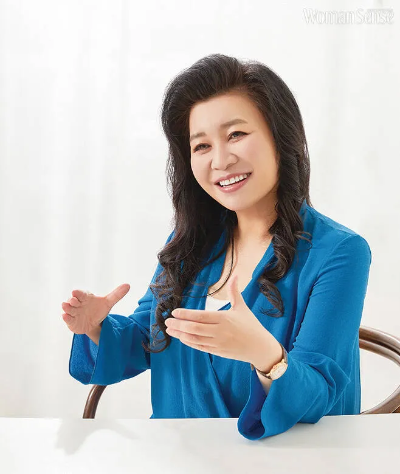
We imagined chatbots that helped people with real worries through conversation. Dr. Oh Eun-young came to mind. Thinking about how useful an adviser like her might be to new parents opened a floodgate of ideas.
- If dog trainer Kang Hyung-wook were beside me, I could ask what my dog was thinking.
- How wonderful would Nietzsche's advice be when I was struggling with life?
- If Warren Buffett advised me on my portfolio, perhaps the returns would improve.
We decided to create different chatbots for worries that were difficult to discuss or had no clear answer. We got excited, elaborated the idea, and soon were imagining an app-store model that shared revenue with user-created bots. We were getting thoroughly ahead of ourselves.
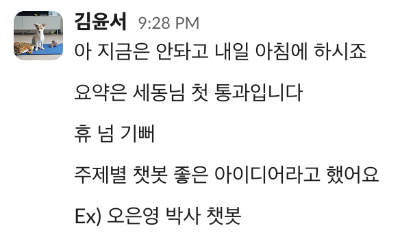
For the first time, an idea passed review. Everything before it, including the wardrobe, had been rejected.

On April 15, 2022, we excitedly opened a Slack channel. We called those hard-to-discuss, hard-to-answer worries loneliness, and declared that we were building for everyone who felt alone.
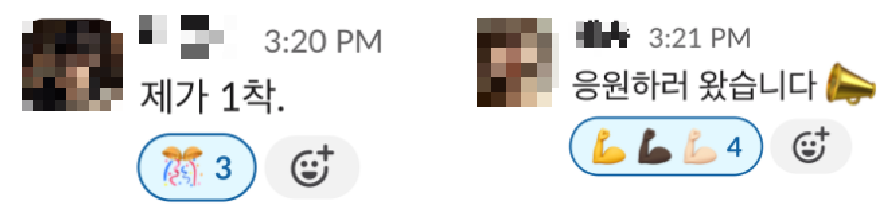
It felt like a frontier. Somebody planted a flag with the first comment; others came to cheer us on.

We went around saying CaaS, not the beer Cass: Conversation as a Service. We believed that conversation itself could help people with these worries and become a service.
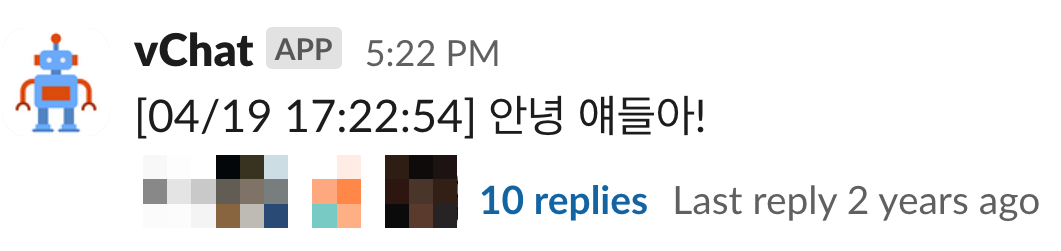
Four days later, on April 19, we had a Korean chatbot model people could talk to in Slack.
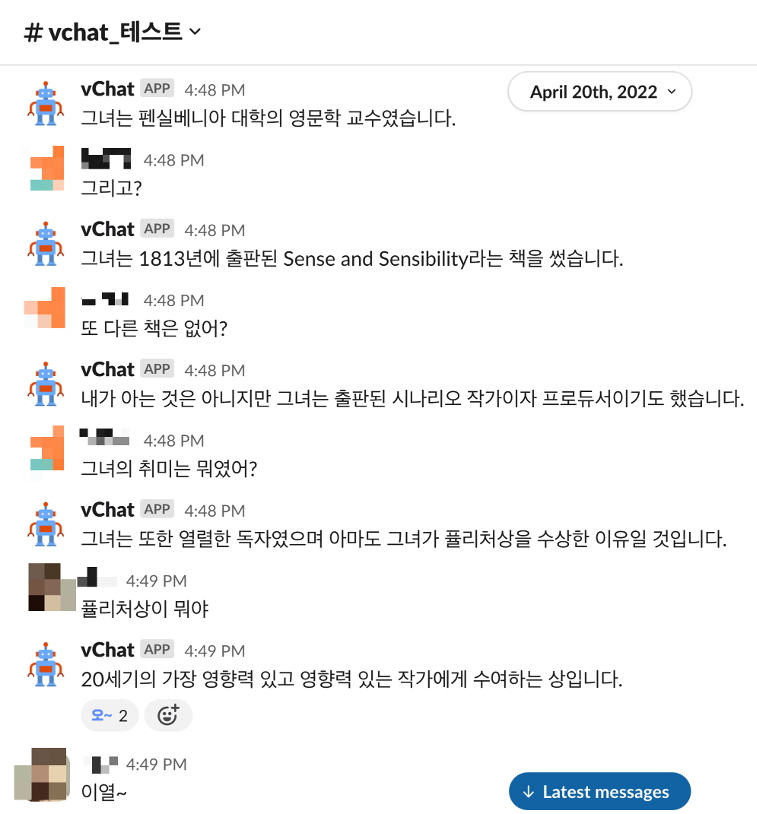
Watching the conversations, we thought about how to specialize bots in subjects and personalities such as parenting, dog training, or Nietzsche. This was before ChatGPT. It first appeared on November 30, 2022, eight months later.
After a week of exploring methods, though, we couldn't see a practical way to build it. We had no way to obtain the essential data. Repeating the crawling and training effort of the Korean language model seemed beyond our people and budget. The exciting multiverse project ended after a week.
Would I try the chatbot again?
Yes. Lack of data was the only reason we stopped. A new two-person team was afraid to spend hundreds of millions of won building a chatbot. I don't know how the company would have viewed that cost.
ChatGPT changed the world. People can now do things cheaply that once seemed unimaginable. I understand why people call this an age of entrepreneurship. As an engineer, seeing AI solve problems that ordinary algorithms couldn't is thrilling.
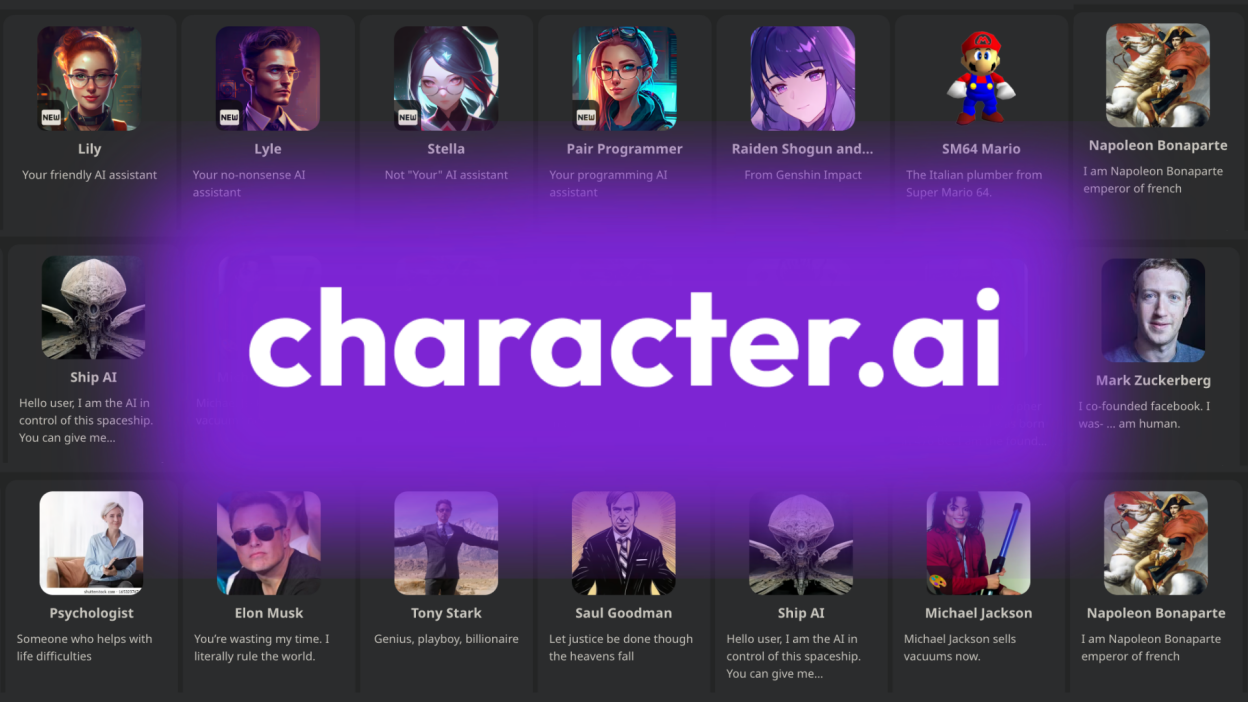
If we'd kept pushing, perhaps in another universe it could have become something like Character.AI. That's my imagination moving beyond even the hope circuit.
Falling confidence, and an unexpected opportunity
A meeting with ChannelTalk opened the next door. It had data but no AI team; we had technology but no project. A collaboration on its conversation-summary feature made sense. Our KRAFTON experience also made working with another company feel less intimidating.
It seemed like a good opportunity, though it didn't make me wildly optimistic. We said yes immediately because generating and validating new ideas had become exhausting.
April 2022 was the most stressful month of my three years at the company. My notes from then say:
Development is the easy part. I can't do anything else. Am I earning my keep?
At first, developing ideas was fun. Over time, I increasingly felt I wasn't contributing enough. My belief in my own ability kept falling. For the first time, I wondered whether I was useful at all. I tried hard and thought intensely, but had nothing to show for it.
Then the ChannelTalk opportunity appeared. It was conversation summarization, model development, the thing I could do best, at a time when I was losing confidence. It felt like finding an oasis. That's how the collaboration began.
What did I learn?
I was more sensitive to having my ideas challenged than I realized. I'd imagined myself taking it all with a laugh. Instead, I often became defensive when an idea I'd struggled to produce was rejected. I learned:
It's easier to find a new idea's weaknesses than its strengths. I do it to other people, too.
To counter that tendency, I consciously reminded myself:
They're challenging the idea, not attacking me. And they're doing it because they want to help.
Gradually, I started listening instead of defending. I tried to understand the weakness and work out how to address it, and my reasoning became stronger.
In turn, I tried to find what was promising in other people's ideas before finding what was wrong with them. That attitude alone felt like a way to become a better colleague.
Coming in part two
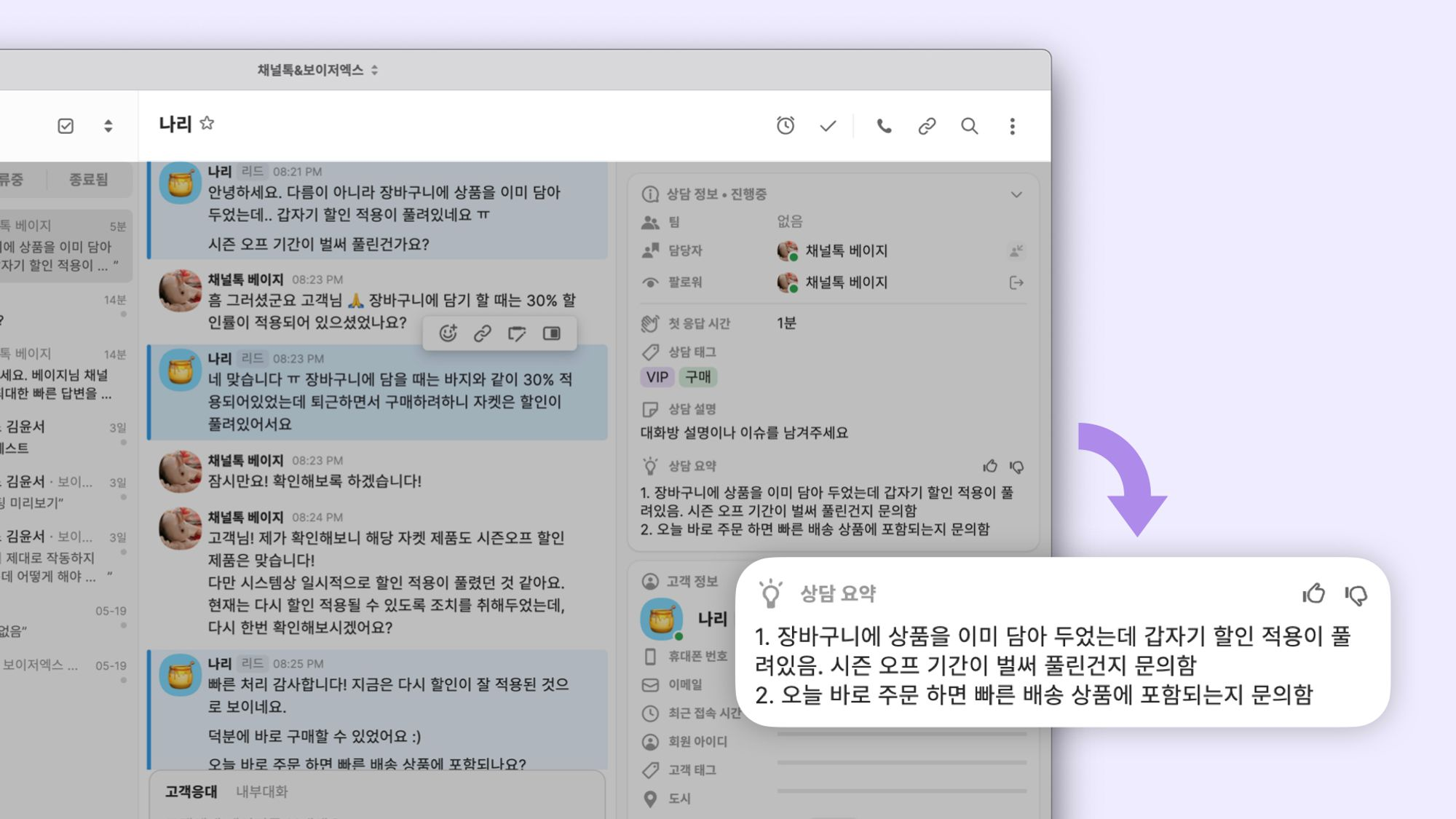
Six months later, on October 27, 2022, the summary feature reached the world.