At the time of writing, I'm a third-year developer at an AI startup. That background helps explain the story. What follows is written more like a conversation with myself.
- A Choice About the Future
- Making a Video That Reached a Million Views
- Reaching Monetization in 31 Days
Ten million total views
I'm not quitting YouTube entirely. I'll probably keep Kim Football going until it reaches ten million views, while spending less time on it and trying something new that might create fans.
That's how the previous post ended. After thirty-one days of actual work, the channel reached ten million views.
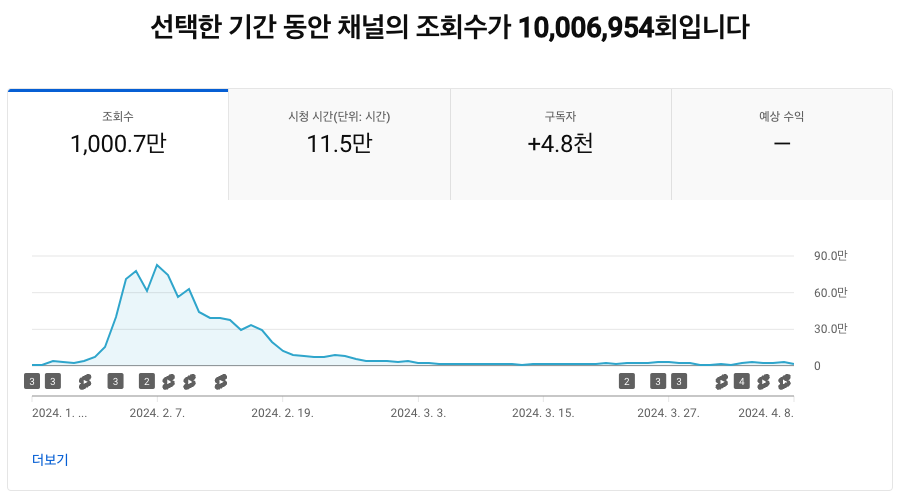
- First period: January 26–February 11, 2024.
- Second period: March 24–April 8, 2024.
During the roughly forty-day break, I tried something else. I'd intended to divide my evenings between that experiment and YouTube. I couldn't manage both. If sitting down after work didn't leave me with one clear task, choosing a priority consumed time and attention.
I paused the other experiment and focused on reaching ten million views.
This post answers two questions closely related to monetization:
Why was ten million views the target? Why stop running the channel after reaching it?
How monetization worked
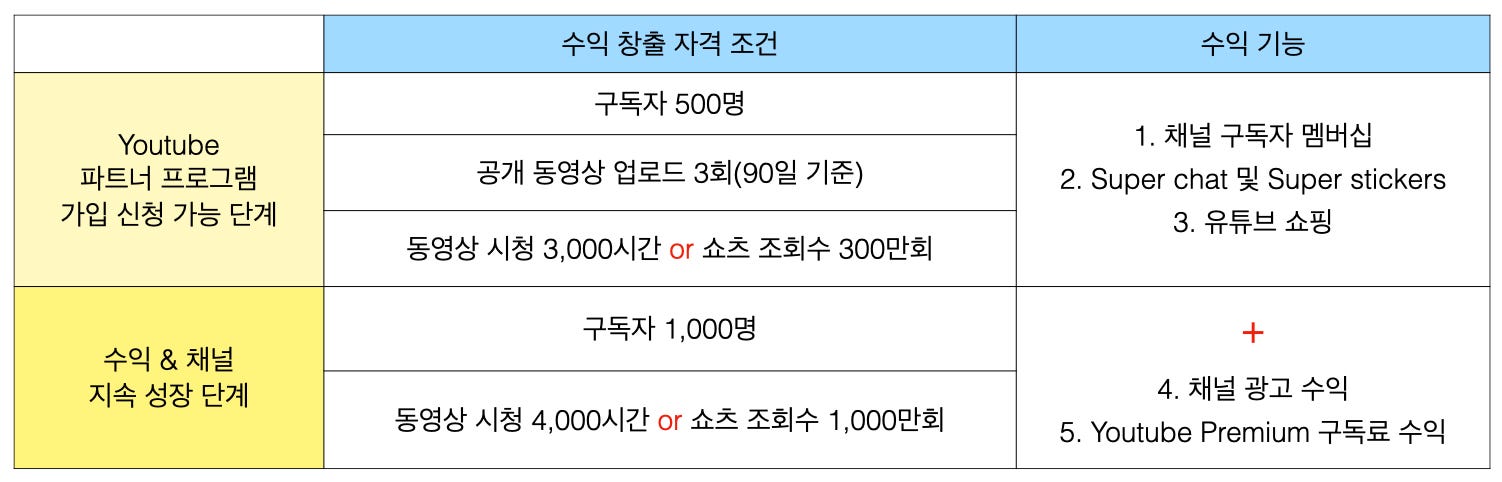
The 2023 revision divided monetization into two stages.
Stage one: memberships, Supers, and shopping
Under the 2023 expansion, the Shorts route allowed eligible creators to apply with five hundred subscribers, three public uploads in the previous ninety days, and three million valid Shorts views in that period. Individual features still had their own requirements.
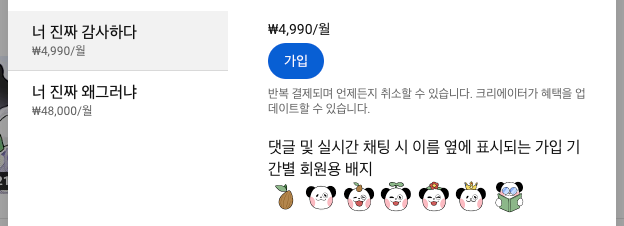
Memberships
Supers: Chat, Stickers, and Thanks

Shopping
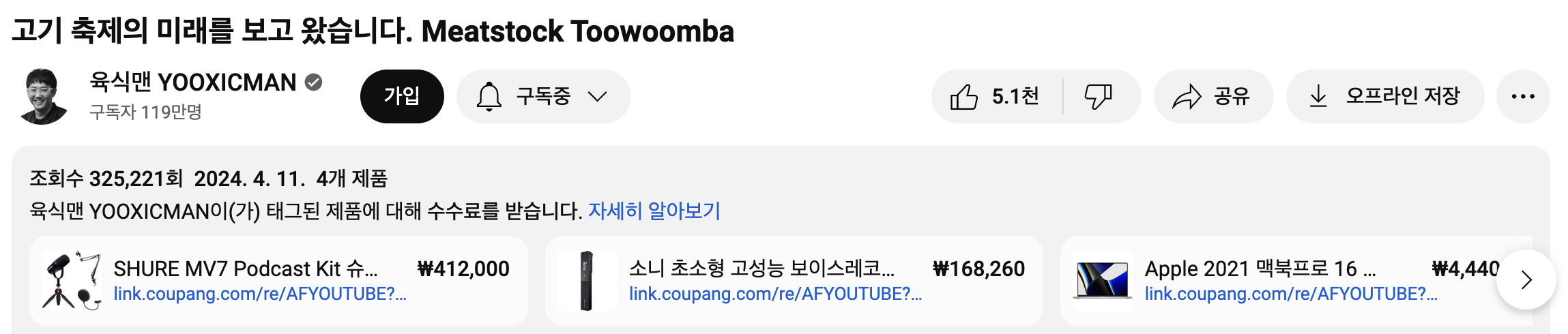
YouTube had introduced these options one after another. The channels that could earn from them were those with committed fans.
As I said previously:
Kim Football isn't sustainable despite its results, because it can't create fans.
The channel doesn't deliver a distinctive benefit or what software people call a wow moment: the moment a product delights someone enough to make them a fan.
Without distinctive football knowledge, experience, or analytical ability, I can't make that kind of content. So memberships, Supers, and shopping aren't realistic income sources for this channel.
That leaves what most people imagine when they hear YouTube income: advertising based on views.
Stage two: advertising revenue
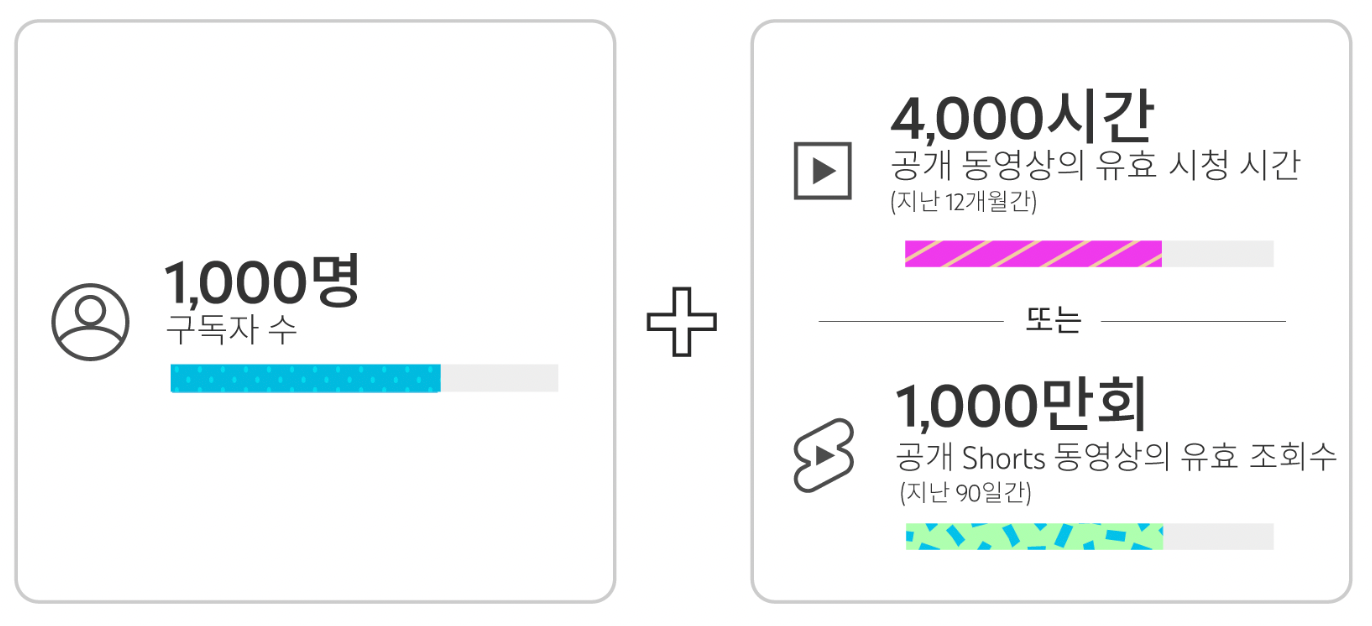
The Shorts route to advertising revenue required one thousand subscribers and ten million valid public Shorts views in the previous ninety days, along with the program’s other eligibility requirements. This is the main source for channels without devoted fans. Another possibility is partnering with music providers and receiving a fee for using their background tracks. I received several proposals by the time I reached five thousand subscribers, so it seems fairly common.
The answer to the first question is clear: this channel needed ten million views before it could make money that way.
Which makes the second question stranger:
Why stop just when it can finally earn money?
Why I'm stopping the football Shorts channel
1. YouTube will increasingly reward channels with devoted fans
YouTube is a video platform. For it to succeed, content needs to maintain a certain quality. How do you encourage creators to make better work voluntarily?
Give better work more rewards and weaker work fewer.
Memberships, Supers, and shopping reward channels that produce enough value to create real fans.
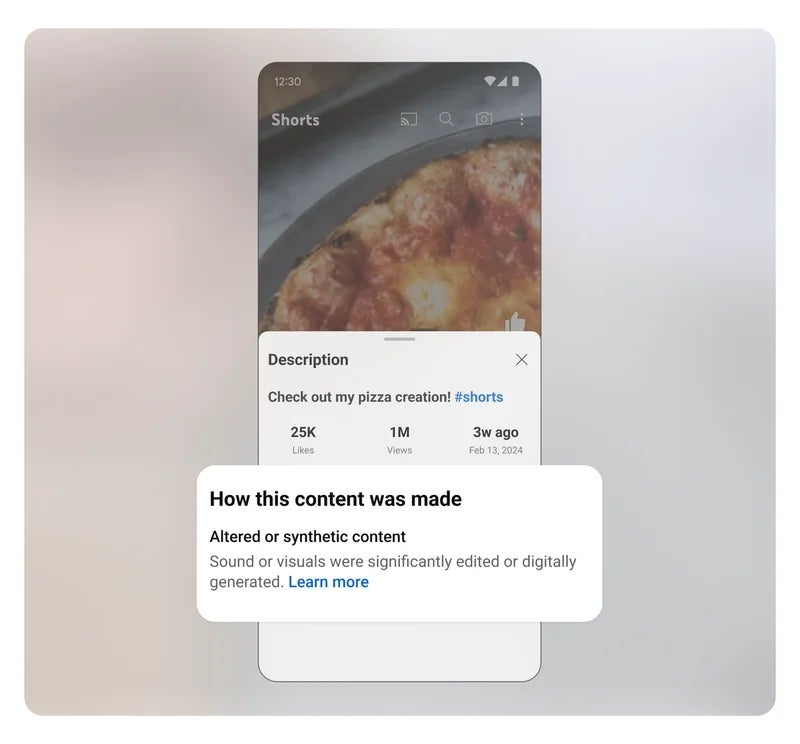
In March 2024, YouTube introduced disclosure requirements for realistic altered or synthetic content, including generative AI. This did not cover every use of AI, such as help with scripts or captions. I saw the change as part of the platform’s response to the growing volume of generated content.
2. Devoted audiences create new business opportunities
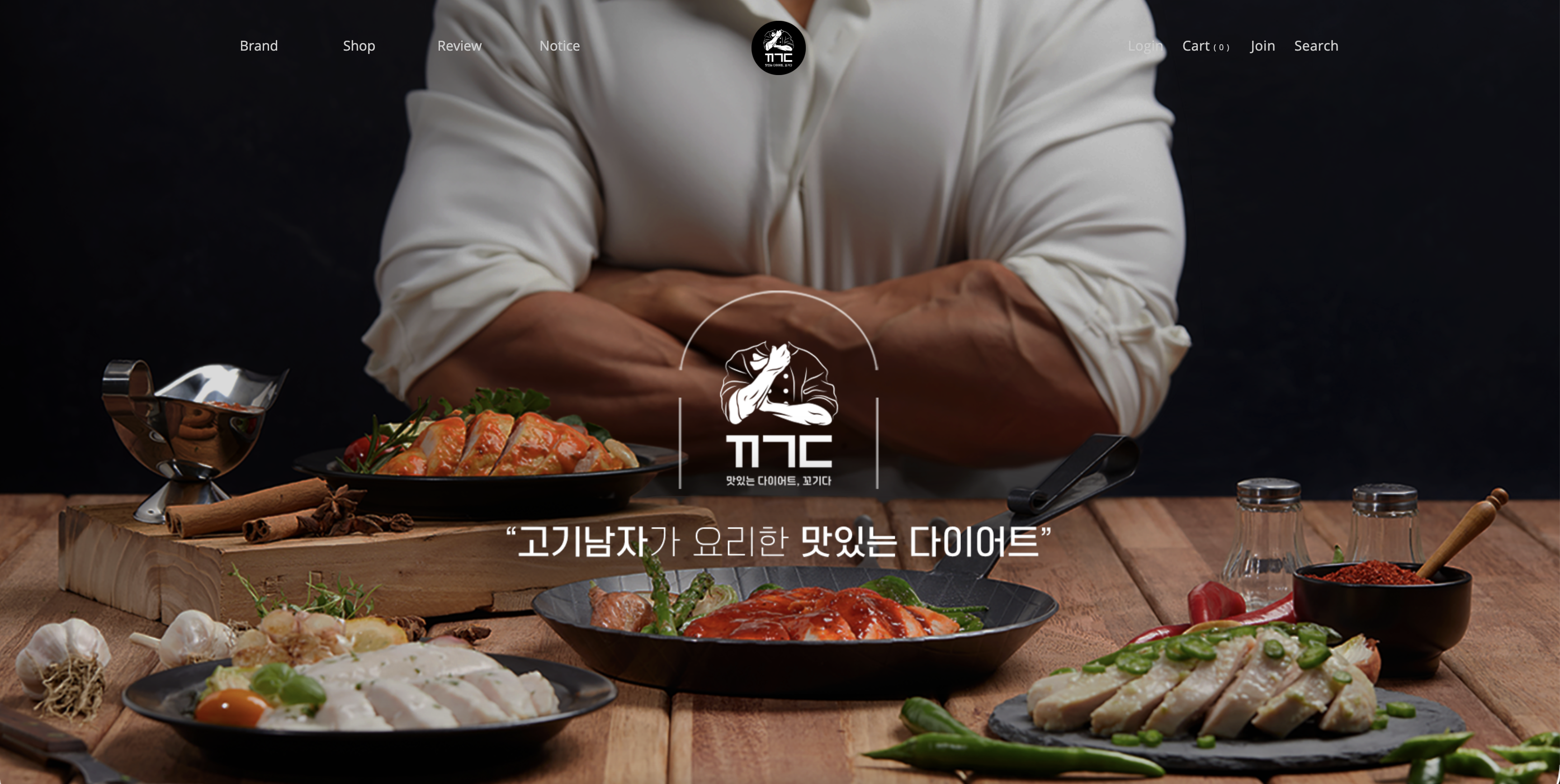
Goginamja's chicken-breast brand is an example of a business growing out of YouTube. Other creators opened restaurants or made books and board games.
Why does a devoted audience make that easier?

Fans convert into buyers at a higher rate, and a video can reach the entire country or world. That creates an enormous potential quantity of sales. Find a suitable product and the audience can become customers.

I think people running their own businesses may gain the most from YouTube. A recent example was Kim Myeong-seong, whose Shorts reportedly helped Onyang Seoksan increase sales by 30%. The video discusses it.
That's why I keep telling my cousin, who runs a flower shop in Ilsan, to try YouTube. Even a neighborhood florist can now receive orders from across the country.
3. Advertising revenue per channel will fall
Unless the market keeps expanding, view-based advertising is a zero-sum contest. Another channel's growth reduces my share. The market's rapid growth had allowed many people to benefit at once.
Exact values · millions of monthly active users
| Month | KakaoTalk | YouTube |
|---|---|---|
| Jan | 41.98 | 40.73 |
| Feb | 41.98 | 40.78 |
| Mar | 41.59 | 40.75 |
| Apr | 42.42 | 41.62 |
| May | 41.45 | 40.95 |
| Jun | 41.47 | 40.89 |
| Jul | 41.55 | 41.15 |
| Aug | 41.96 | 41.62 |
| Sep | 41.61 | 41.37 |
| Oct | 41.22 | 41.07 |
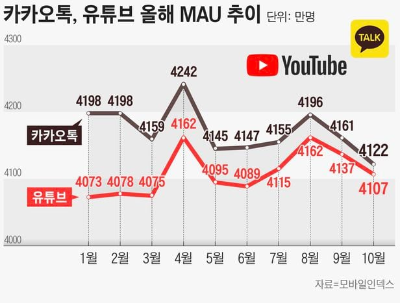
But the Korean market had matured. Most potential users already used YouTube; monthly active users had been flat for a year.
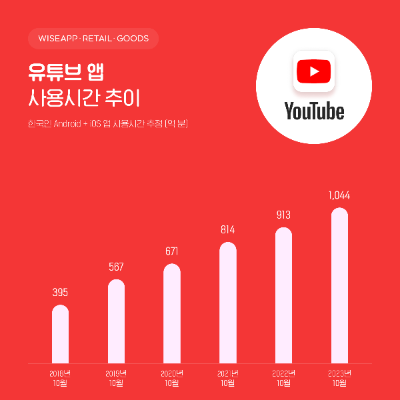
Total viewing time was still growing, which helped. But time has a hard ceiling and cannot grow explosively forever. Forty hours a month was already substantial.
Monetized channels
Channels with 10,000+ subscribers
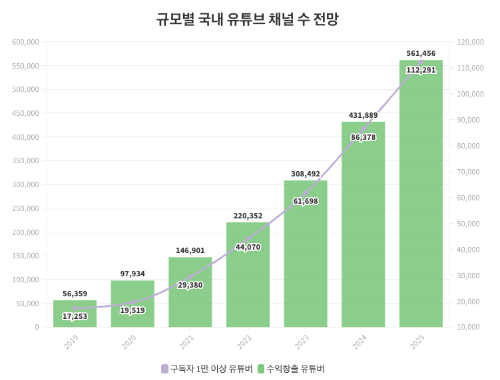
Meanwhile, monetized channels were increasing rapidly.
- User numbers were steady.
- Viewing time grew slowly and had a clear limit.
- The number of channels, particularly monetized ones, grew quickly.
Each person's slice gets smaller.
I could improve the work and win a bigger share. But with football, I lacked both the confidence and the desire.
I thought my time would be better spent building distinctive knowledge, experience, and analytical ability, then using those to make a product or content people could become fans of.
Honestly, though, even without all those arguments, something else had come along that I really wanted to do. That's the fundamental reason I'm stopping. A little embarrassing to admit.
What did this experiment give me?
The insights from trying to improve were valuable. The most valuable result, though, was having more options.
Before YouTube, seeing a problem automatically made me think of building software. If people struggled with ChatGPT, I'd imagine a website explaining how to use it. A very developer-like reaction.

The problem was that I thought of building software even when it wasn't the best answer. Someone unfamiliar with technology might never find that website. A patient, explicit video could work much better.
Having run a channel, I can now imagine making that video as naturally as I imagine building a service. My thinking has expanded, and I have more ways to choose an answer suited to the problem.
So, how much did it earn?
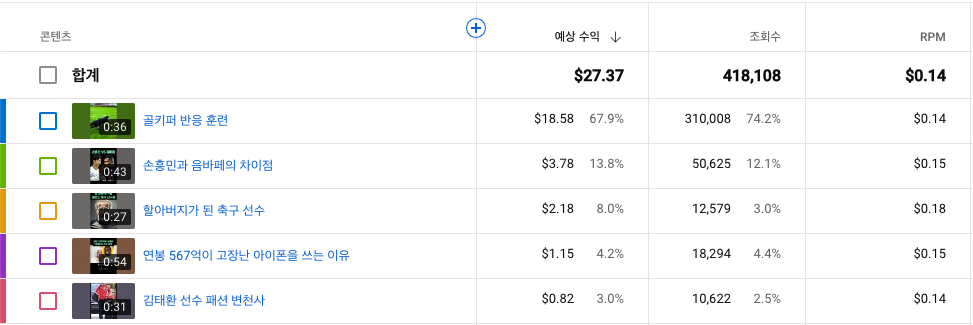
These are the results for April 14, 2024. The average revenue per thousand views, RPM, was $0.14, approximately KRW 195. I estimated a rough rule of KRW 0.2 per view for Korean football Shorts. That day brought 418,000 views and roughly KRW 38,000 in revenue.
It was a particularly good day. Without a video receiving substantial recommendation traffic, daily views were around ten thousand, which I estimated at about KRW 2,000 a day.
Fools learn from experience; the wise learn from history. — Bismarck
Bismarck would certainly call me foolish. But I have many things I want to try, and I'm the sort of person who needs to try them. I can only hope the scattered dots eventually form a line. This was a short but intensely lived experiment. I'm pleased to have achieved the small success of monetization.
I hope the story gave you some enjoyment, something to relate to, and perhaps a little push to act.