This post reflects my understanding at the time of writing. If you spot inaccurate information or disagree, comments and emails are welcome. I always appreciate a productive discussion. 😊
We understand a situation through our senses
We use our five senses to recognize the situation we're in.
Sight, hearing, touch, smell, and taste help us judge where we are and what we're doing.

Imagine you're at a Halloween party. The costumes, frightening music, and the taste and smell of a cocktail are what tell you where you are. Virtual reality is no different in this respect. If a virtual setting gave our senses exactly the same stimulation as reality, we wouldn't be able to distinguish them.
In virtual reality, stimuli have to be generated
In the physical world, stimuli arise naturally through the laws of nature. In VR, we have to generate them artificially through technology. How closely we can reproduce reality is therefore a central problem.
1. Visual stimuli
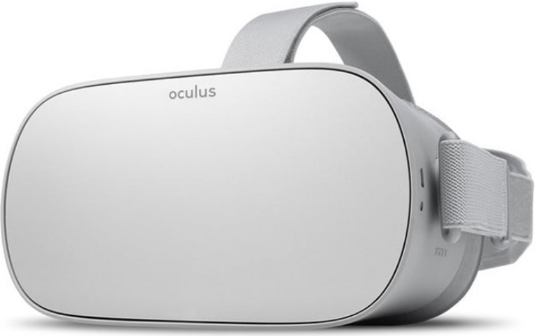
This is probably what most people picture when they hear VR. Our eyes interpret the visual stimuli generated by the device. After audio, it is the most widely used form of sensory output. I think we also need ways of providing it without a head-mounted device.
2. Auditory stimuli
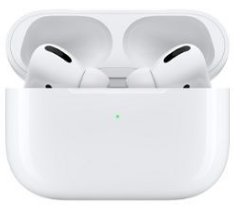
These are so familiar that I briefly wondered whether to include them as a stimulus generator. I use them myself.
3. Taste stimuli
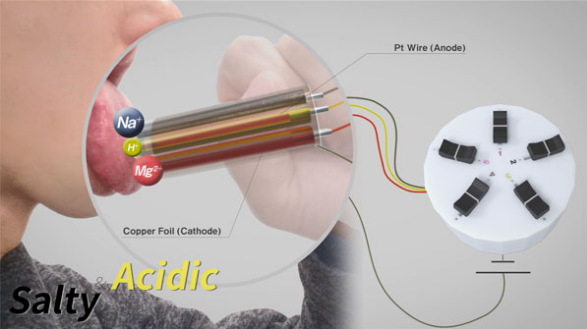
Professor Miyashita at Meiji University introduced the Norimaki Synthesizer this year. It produces the five basic tastes people distinguish: sweet, salty, sour, bitter, and umami. The paper says it even reproduced the taste of sushi. If it had been developed in Korea, perhaps it would have reproduced kimchi.
4. Touch stimuli
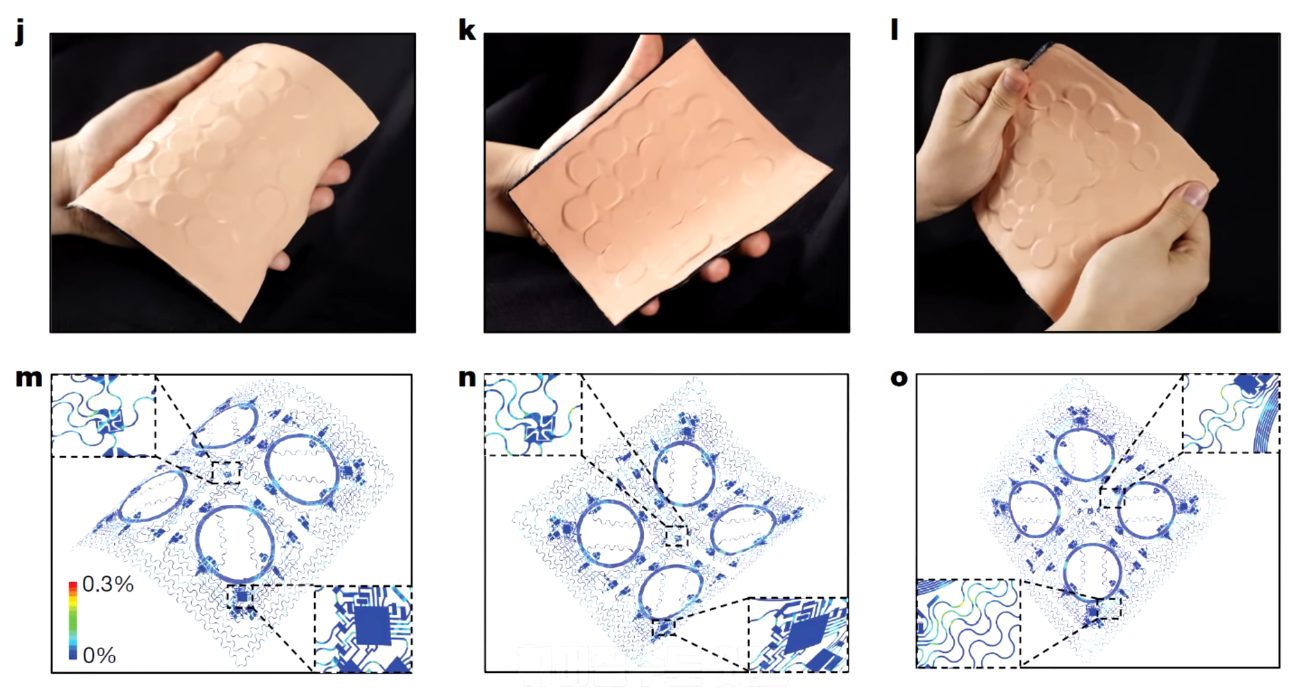
This device, introduced the previous year by Professor Yu's team in Hong Kong, transmits and receives tactile signals. Its battery-free use of energy harvesting drew attention. It reproduces a sense of touch through more than two hundred vibrations per second, and was also tested with a fighting game.
5. Smell stimuli
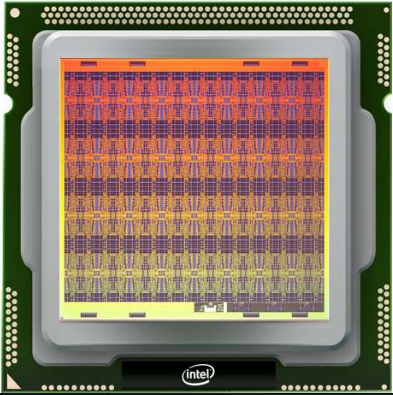
This doesn't generate smells, strictly speaking. Intel announced a chip this year that distinguished ten odors using seventy-two chemical sensors.
How does AR differ from VR?
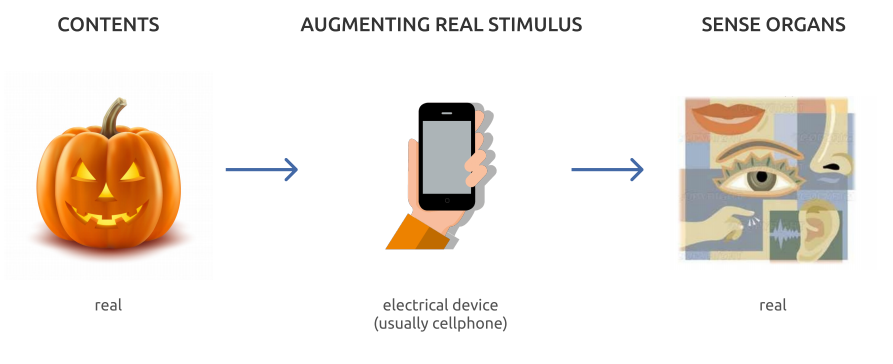
The main difference between virtual reality (VR), augmented reality (AR), and mixed reality (MR) is how the stimuli are generated. This diagram shows how a person receives stimuli in augmented reality. VR supplies artificially generated stimuli based on digital content. AR augments stimuli from the physical world.
What about MR?
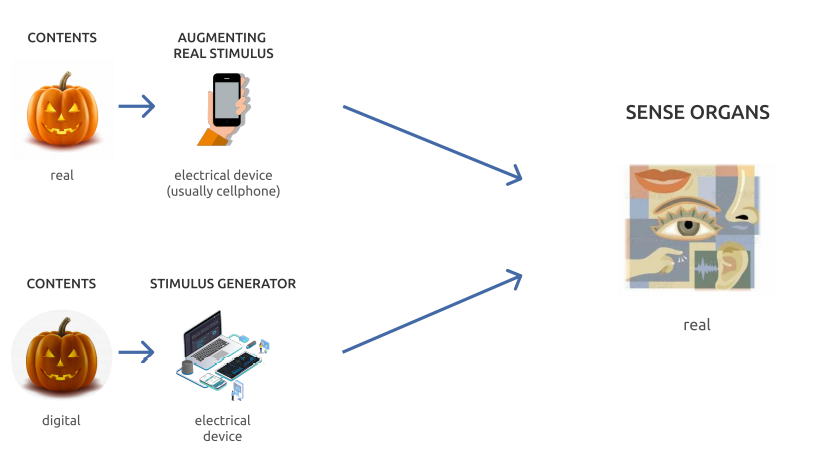
MR combines both approaches. A person receives artificially generated digital stimuli together with augmented stimuli from reality.
A final thought
Have you ever pinched your cheek after waking from a dream? The dream's sensations had felt so vivid. If those sensations were exactly the same as reality, the boundary would blur. Perhaps Zhuangzi's dream of being a butterfly isn't so far away.