If advanced AI and humanoid robots could produce every product and service without limit, scarcity would disappear. Economic constraints would fall away and money would lose much of its meaning. Everyone would effectively be wealthy, in the sense of having enough to live comfortably, and most things they wanted would be available. A few resources would remain scarce.
This is what an age of radical abundance might look like:
-
Robots outnumber people by at least ten to one.
-
Robots do most of the work people do today.
-
AI solves deep problems such as energy shortages and disease.
-
Food, clothing, housing, healthcare, education, and energy are provided without people having to work for them.
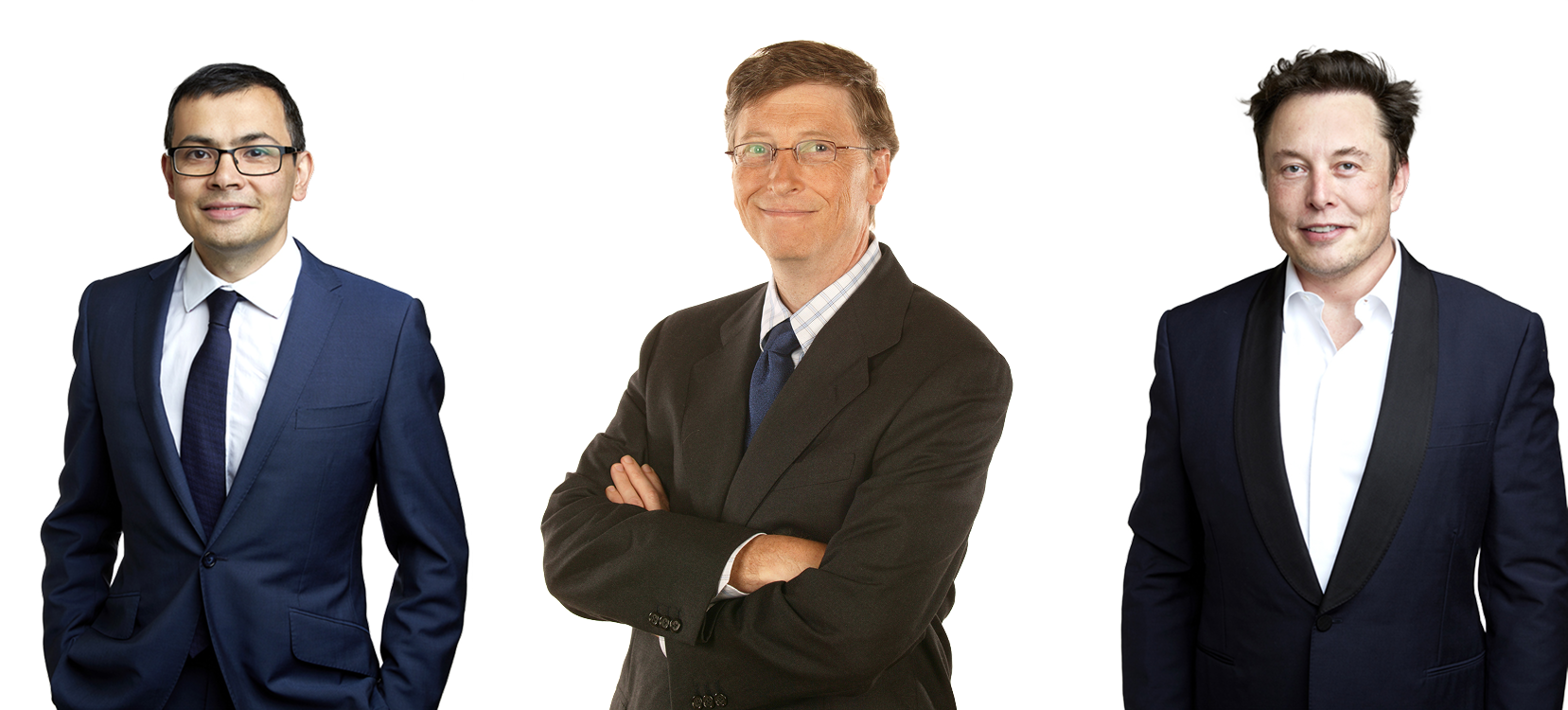
Demis Hassabis, Bill Gates, and Elon Musk have all envisioned futures along similar lines.
Even though these people have thought much more deeply about the future and have access to better information than I do, I still can't quite accept it. I suspect many people feel the same. That seems natural when Western capitalism and competition have driven so much of the world's development over the past century. Just as someone in the Joseon era would struggle to imagine our society, I find it hard to grasp this new paradigm intuitively.
Still, for the sake of the discussion, let's provisionally accept that radical abundance is coming.
Then we arrive at one important question.
What should we do?
Our education and social systems are ultimately designed to produce people who can produce things. Most of us have spent our lives asking how to be useful, rather than what we want to do. I suspect many people, myself included, don't have an answer to that question. If we enter a society where production no longer gives our lives meaning, we may struggle to find a direction.
Let's look for outliers. Who is already living with a clear answer of their own?
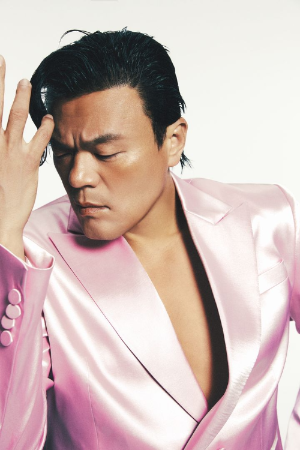
Park Jin-young seems sincerely obsessed with dance and performing. Watching what he says and does, the stage feels like his reason for living, not merely his job. Even if money disappeared, I think he would still perform and work hard for the chance to do so. You can see that passion in his conversation with Sung Si-kyung.
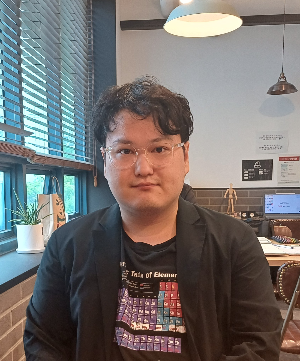
The writer Galois, whom I recently discovered through Chimchakman's broadcasts, seems similar. He loves insects. His affection for them verges on obsession. Yet I find it appealing rather than off-putting, and honestly, I envy him. In a world of radical abundance, I imagine him celebrating and setting off around the world to search for insects nobody has discovered yet.
These two ways of living have something in common:
- Absorption driven by an inner urge.
- Consistency that doesn't depend on time or circumstances.
- Activity that exists outside the standard of usefulness.
From inside our zero-sum worldview, they can look like unusual exceptions. In an age of radical abundance, their way of living might become a model for everyone.
If everyone has the conditions to follow their own interests, the real question is whether they have found those interests at all. Nobody else can answer that for us. What remains is an honest answer to “What draws me in?” and “What can I lose myself in?” When abundance is guaranteed, the real lack may be not having discovered a sensibility of our own.
It's time to think seriously about what sort of life we want to live, not only what we want to produce.
That question may still feel unfamiliar. But I think it will become one of the most important questions we face.