Formerly: developer at an AI startup
Now: “Manager Kim” at a ceramics company
Until recently, I was a fairly ordinary developer. I knew nothing about ceramics and had never sold a product.
I just loved building software. (I studied computer science, too.)
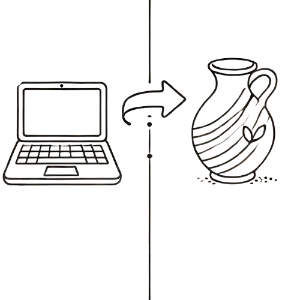
Software had been my whole world. Then, almost by chance, I found myself selling ceramics.
At first, all I could see were the differences between software and manufacturing. Things I had taken for granted in software weren’t possible here, and I often found that frustrating. Sometimes I felt helpless, wondering what I could contribute at all.
After a while, though, I began to notice similarities. None of them were particularly profound, but realizing that some things worked much the same way gave me a little confidence. So I wanted to write about what these two seemingly unrelated fields have in common.
1. Try something new, even before you know what you’re doing
If you do nothing, nothing happens.
If you only do what you’ve always done, nothing new happens.
Working as a developer had taught me that the hard way. Whether we wanted a product to grow faster or simply needed something to change, we had to try something we hadn’t tried before.
The ceramics company I had joined needed change, too. It needed to try new things to keep up with the times. I knew very little about the business, but I proposed a direction I believed in and brought my colleagues together to try it. The only argument I had, for myself as much as for the team, was something experience had taught me: doing the same things would leave us in the same place.
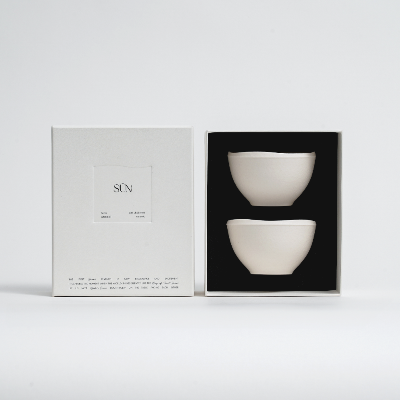
As a first step, we developed a new product differently from how we had before, then tried selling it differently, too. Product planning, packaging, getting listed on other retail platforms, marketing: all of it was new to me.
How did it go?

The product was featured in THE EDIT. That might not seem like much to someone else, but I’d liked the magazine for a long time, so it was a thrill. We also made meaningful sales, and several companies got in touch. What mattered most was that the things set in motion by this first step were taking us in the direction we’d hoped to go. That’s why I consider it a successful attempt.

There’s plenty I wish I’d done better. With more preparation, we could have had a better result. There were so many things I hadn’t prepared for simply because I didn’t know they existed. My lack of experience showed. But it was my first time, and there would be more chances.
That experience showed me the first thing software and manufacturing have in common:
If you want something to change, you have to do something differently.
It’s asking too much to keep doing the same things, however diligently, and expect something to change. That may sound a little cold, but I think refusing to accept it only makes things harder.
Doing something differently takes determination and courage.
Trying something unfamiliar is hard. The first thought that comes to mind is, “How am I supposed to do that when I have neither the knowledge nor the experience?” It’s hard to take that first step.
But after repeatedly finding that I could get somewhere by trying, even when I didn’t know much, in two very different fields, I began to understand something. Knowledge and experience weren’t what I needed in order to start. What I needed was the determination to push past the comfort of doing what I already knew, and the courage to face the vague fear that came with not knowing.
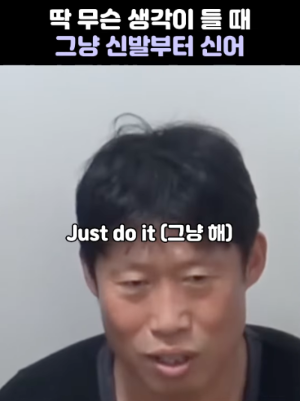
“Just Do It.” Nike’s slogan, and a line countless famous people have repeated. It’s hard enough that I’d rather look away, but I can’t really argue with it. Start, even when you don’t know much yet.
That doesn’t mean you have to work everything out on your own. There are already so many examples to learn from. Most of what feels new to us has been done by someone else.
Once I made an effort to look, I found enough information to get started. Lack of knowledge wasn’t what stopped me from trying something new. I might still be missing a few things, but I didn’t have to get everything right on the first attempt.
Find the determination and courage to start. Make something, even if it isn’t perfect.
That was the biggest similarity I found between the two industries.
2. Fix problems quickly
After we launched the first product I’d planned, some pieces broke in transit. We had designed the packaging with a range of shipping conditions in mind, but the damage was happening in situations we hadn’t imagined.

(Our boxes were going through rather more on their journey than I’d realized. Ouch.)
The financial loss was secondary. I felt terrible imagining a customer opening the package with excitement, only to find a broken piece inside. Most of these purchases were gifts, which made it worse.

I started by looking at the damage photos customers had sent us, working out what might have caused it, and trying to reproduce it. (Crack. It took a very particular set of circumstances, but yes, the pieces broke.) I called a team meeting right away, and we took the best measures we could at the time. It cost more than before, but we couldn’t let a customer’s excitement turn into disappointment.

To my surprise, after we made those changes, the shipping damage stopped altogether. That was when it hit me: this was just like software.
Done is better than perfect
It’s a familiar saying in software, and one I firmly believe in. A developer can’t imagine every possible use case. There will always be someone who makes you think, “Wait, you’re using it like that?” No feature is ever perfect; bugs come with the territory. What I’d learned was to ship, then respond quickly when problems appeared.
I’d thought manufacturing would be different. Software is relatively easy to change and deploy again. Once you’ve made a physical product, making another batch is much harder. There’s truth in that. I do think the bar for the first production run has to be much higher in manufacturing, because producing it again takes more time and money.
Still, manufacturing can’t be perfect from the start, either. Problems will show up in the product, the packaging, or the shipping. What matters is understanding them accurately and fixing them quickly. Don’t look away when something goes wrong. Take it seriously, do something about it, and keep doing that.
So, what did I take from all this?
Try something new, even before you know much about it. Then fix the problems that come up along the way, quickly.
That’s the attitude I think a maker needs, whatever field they work in.
Having the same experience in two very different fields gave me confidence that I could approach other challenges this way, too. I’m glad to have that experience to draw on the next time I try something new.