Before we begin
“I want to become an AI developer. Do I need graduate school?” This is the career question I've been asked most often. People probably ask because I was working as an AI developer without having gone to graduate school. Having once wrestled with the same question, I wanted to set down my thinking.
I also prepared a small gift for readers at the end of the original post. If the argument resonates with you, it may be useful.
The aspiring AI developer's dilemma

Why do people say graduate school is necessary for AI development? Why is frontend or backend development presented as something anyone can prepare for, while AI supposedly requires another degree? Is graduate school the only place to study or build AI? Is reading and writing papers essential to the job? Rather than enroll blindly, or give up because you only have a bachelor's degree, we should understand the reason behind the advice. If you can meet that need another way, perhaps graduate school isn't necessary.
Deep learning, the area attracting so much attention, has a relatively short history. It is spreading quickly, but there is still far less around us than in frontend and backend development. I don't mean a shortage of courses or study materials. There are excellent resources everywhere. What we have fewer of is familiar examples of products and services solving problems with AI.
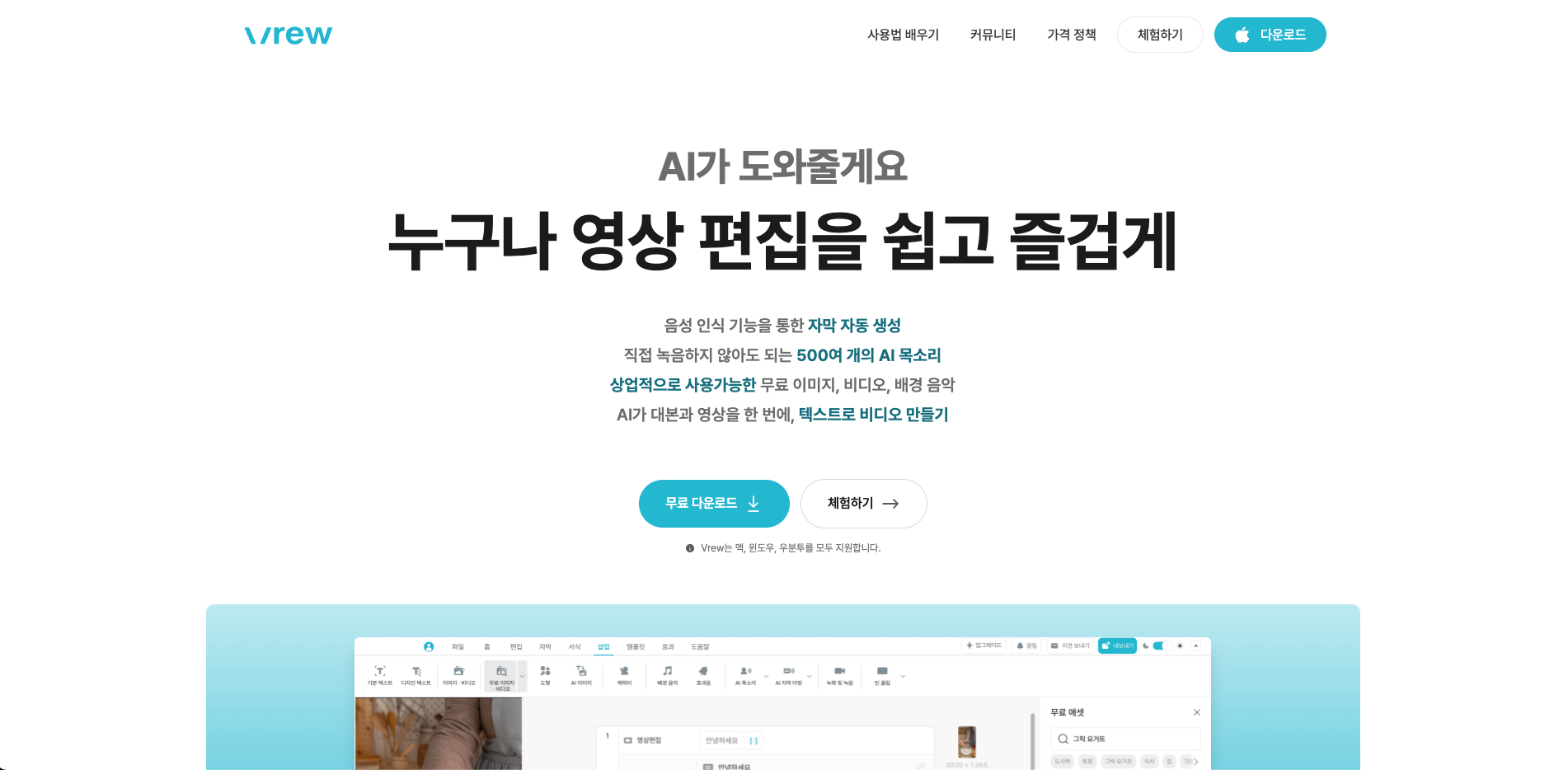
Services for generating subtitles, summarizing video, or providing natural conversation are relatively recent, and there still aren't many of them. Websites and mobile apps, by contrast, are everywhere. By using them, job seekers naturally learn what frontend and backend developers do at a company. People preparing for those roles often build projects approaching real services. Quite a few deploy them and see what happens.

Preparation for AI jobs often looks different. Many people study theory, run someone else's code, or build only very simple projects, the equivalent of a to-do app for a frontend developer. I don't think that means they're lazy or incapable. They haven't seen enough examples of AI solving a problem. As a result, they don't know what working AI developers actually make, or how much preparation is enough.
But employers don't expect less from AI developers than from frontend or backend developers. Hiring them isn't cheaper, so there's no reason to lower the bar. Many applicants therefore enter the market without enough preparation or the capabilities employers need. The results are predictably disappointing. What capabilities are those?
What companies are looking for

They want the ability to solve problems. This is where graduate school enters the picture. Writing a paper is itself a process of solving a problem with AI. You identify a weakness in existing data, a model, or a training method, propose a solution, and write up the results. In doing so, you gain the sort of problem-solving experience employers want. I think that's the underlying reason people recommend graduate school for an AI career.
Some roles do require a graduate degree or equivalent experience because the relevant work is still most accessible in graduate research: pretraining a large language model, investigating a new architecture, or working in a specialized area such as 3D vision. But in many other cases, graduate school is not the only place to gain the experience. A company needs evidence that you can solve its problems, not a degree for its own sake. Roles involving data processing, model implementation and training, or serving models also hire people with bachelor's degrees.
My conclusion
If you can develop the ability to solve problems using AI, graduate school is not the essential part. Problem solving is the goal; graduate school is one way to build it. I understand why it is often recommended: it can provide a good setting for gaining that experience. If graduate school isn't an option, the important question becomes how to develop that ability on your own.
I wrote an ebook collecting my thoughts on that question. This article is part of it. Different approaches work for different people, but we rarely know in advance which one is ours. We still have to do something. Rather than stepping in an arbitrary direction, I think it's more efficient to try an approach that worked for someone who went before us. If you want to become an AI developer but don't know how to prepare, the ebook draws on my own experience.
The original 2024 post offered to send the ebook free to readers who left an email address in the comments.